

Cerma
Cerma Ceramic Fuel Treatment for Gasoline Engines
Cerma Ceramic Fuel Treatment for Gasoline Engines
Couldn't load pickup availability
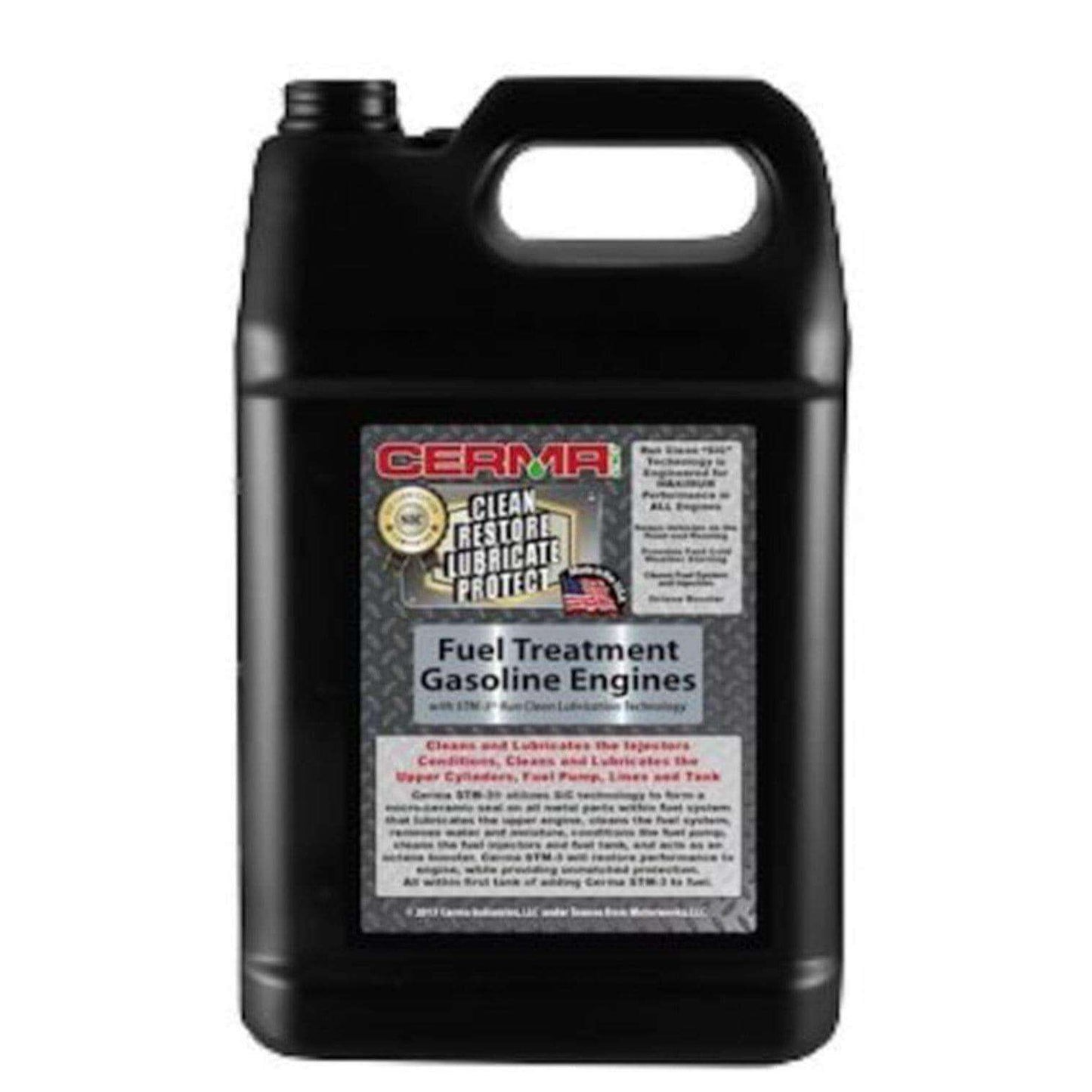
Cerma Ceramic Fuel Treatment — STM-3 Nano Silicon Carbide 6-in-1 Fuel System Protection
Cerma STM-3® Ceramic Fuel Treatment is the only fuel treatment that uses Nano Silicon Carbide (SiC) technology to deliver 6-in-1 fuel system protection. It cleans injectors, lubricates the upper engine with ceramic particles, removes water, improves combustion quality, prevents fuel gelling, and conditions your entire fuel system — all in one bottle.
Unlike solvent-based fuel additives like Sea Foam or Techron that only dissolve deposits, Cerma's SiC particles release the lubrication trapped inside fuel molecules, providing continuous ceramic protection that no conventional fuel treatment can match.
✅ 6 Functions in One Bottle
- Cleans fuel injectors and removes carbon deposits — ceramic-enhanced cleaning action
- Lubricates the upper engine — SiC particles coat upper cylinders, fuel pump, and injectors (areas motor oil doesn't reach)
- Removes water and moisture — pulls water from the fuel system to prevent corrosion and fuel line freezing
- Improves combustion quality — optimized fuel-air mixing for smoother operation*
- Prevents fuel gelling — anti-gelling properties keep fuel flowing in cold weather
- Conditions entire fuel system — ongoing ceramic protection for fuel pump, tank, lines, and injectors
💡 Why Cerma is different: Traditional fuel treatments do 1–2 of these things. Cerma does all 6 because of its Nano Silicon Carbide ceramic technology. One product replaces the need for separate cleaners, lubricants, water removers, combustion enhancers, and cold weather additives.
📋 How to Use
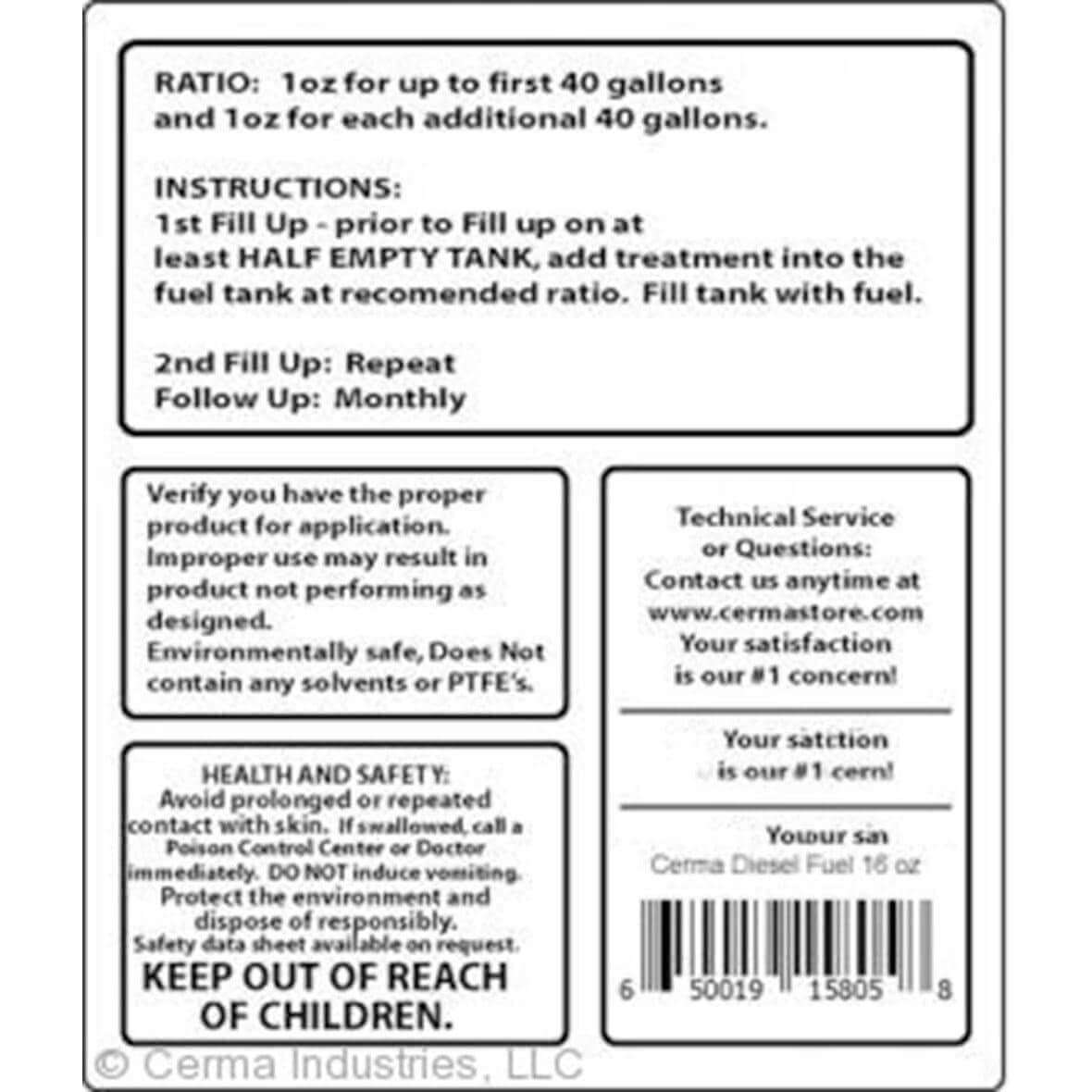
Dosage: 1 oz per 40 gallons of fuel. Add 1 oz for each additional 40 gallons.
- First use: Fill up on at least a half-empty tank. Add Cerma Fuel Treatment, then fill with fuel
- Ongoing use: Add at every fill-up, weekly, or monthly — whatever schedule fits your driving habits
Cerma Fuel Treatment is a continuous-use product — unlike Cerma Engine Treatment (one-time), you add it regularly for ongoing fuel system protection. Drivers who use it at every fill-up report the best results.
📦 Available Sizes
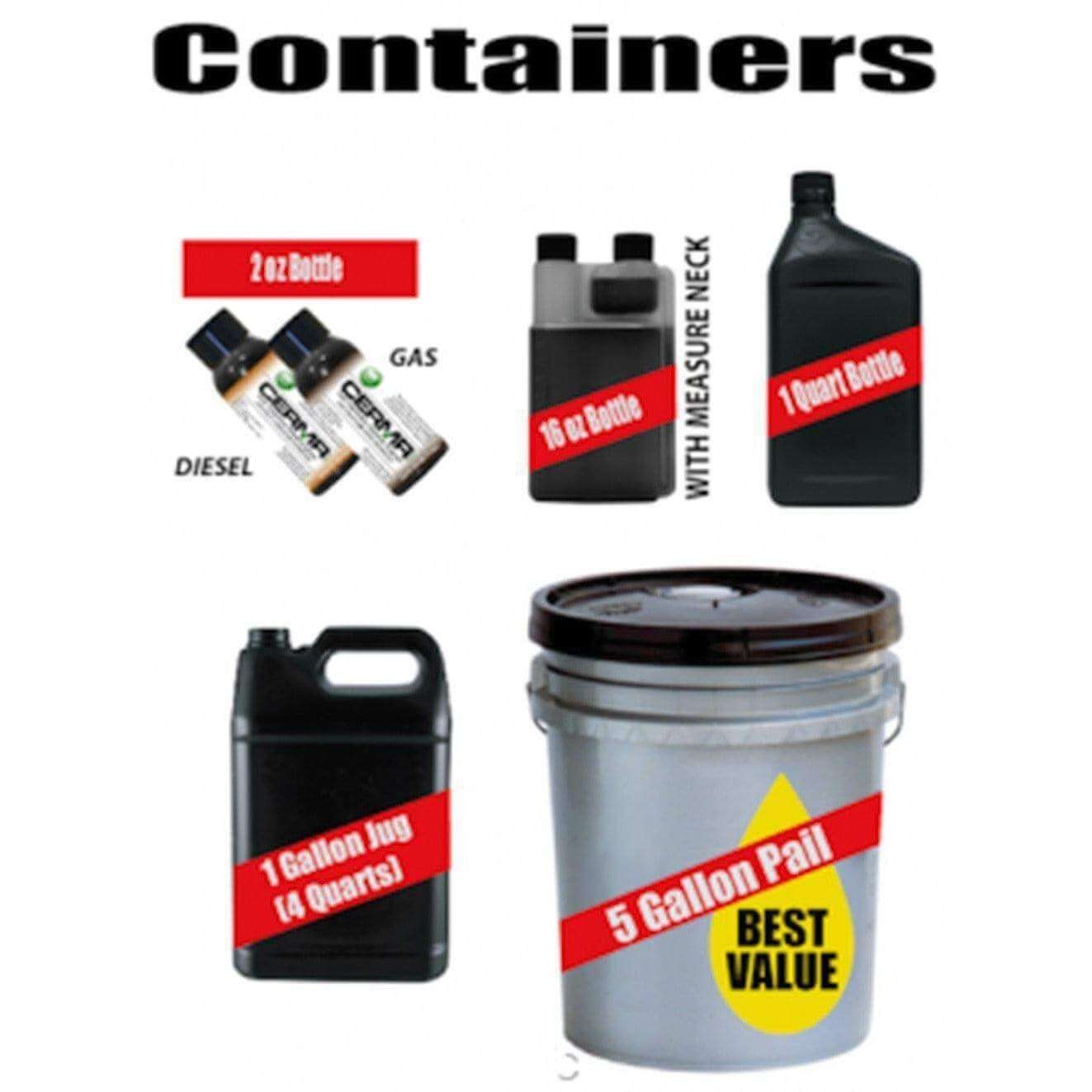
| Size | Price | Treats (approx.) | Best For |
|---|---|---|---|
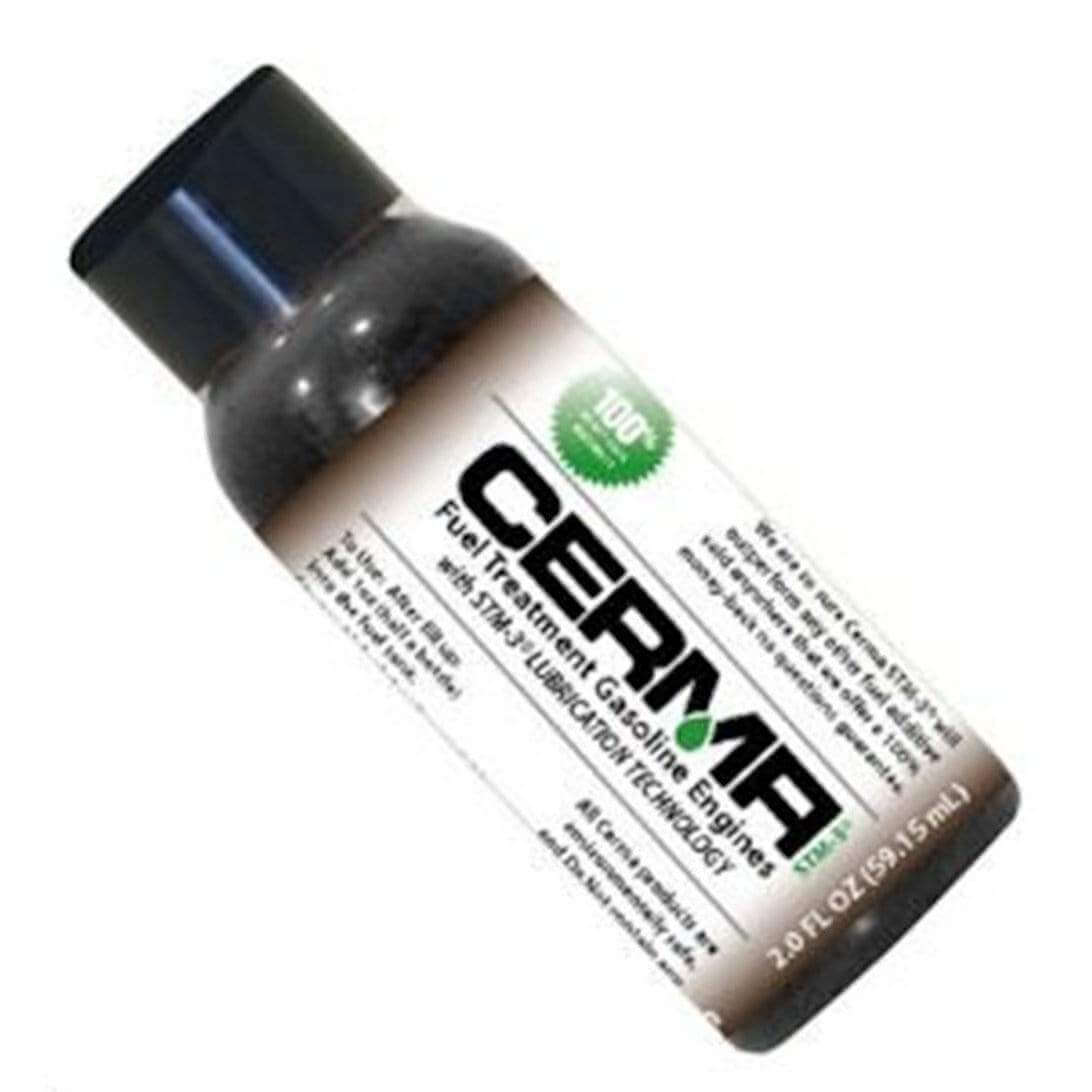
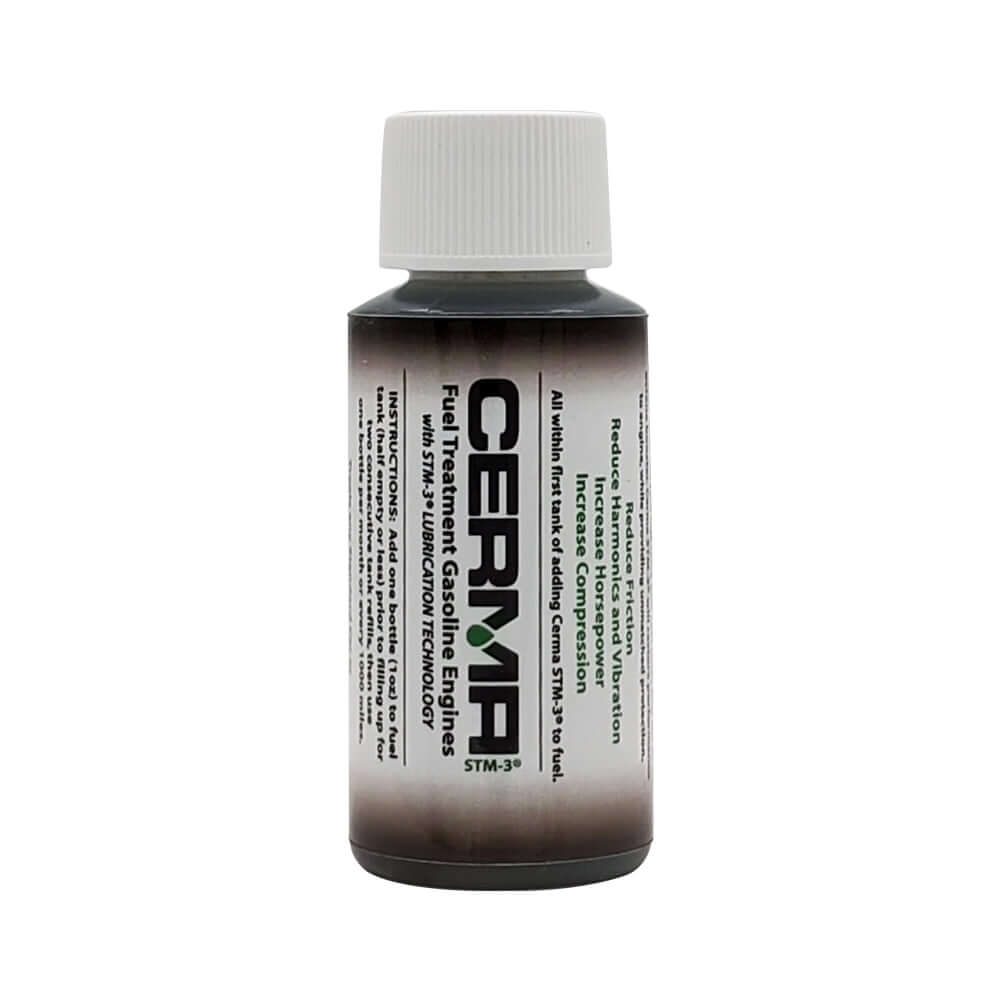
| 2 oz (Intro Dose) | $10.95 | ~80 gallons | Try it / single fill-up |
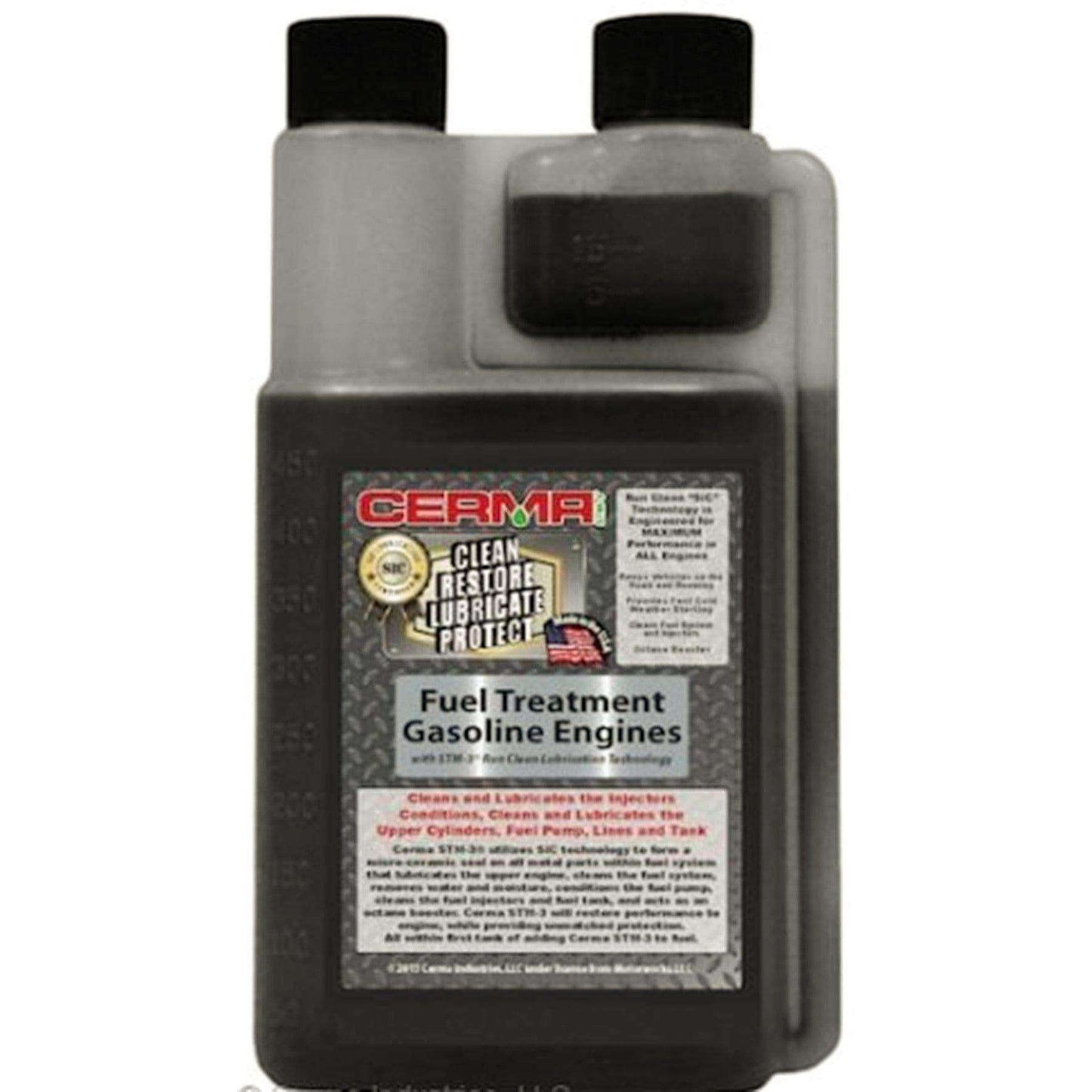
| 16 oz ⭐ Best Value | $70.44 | ~640 gallons | Regular drivers (~6 months) |
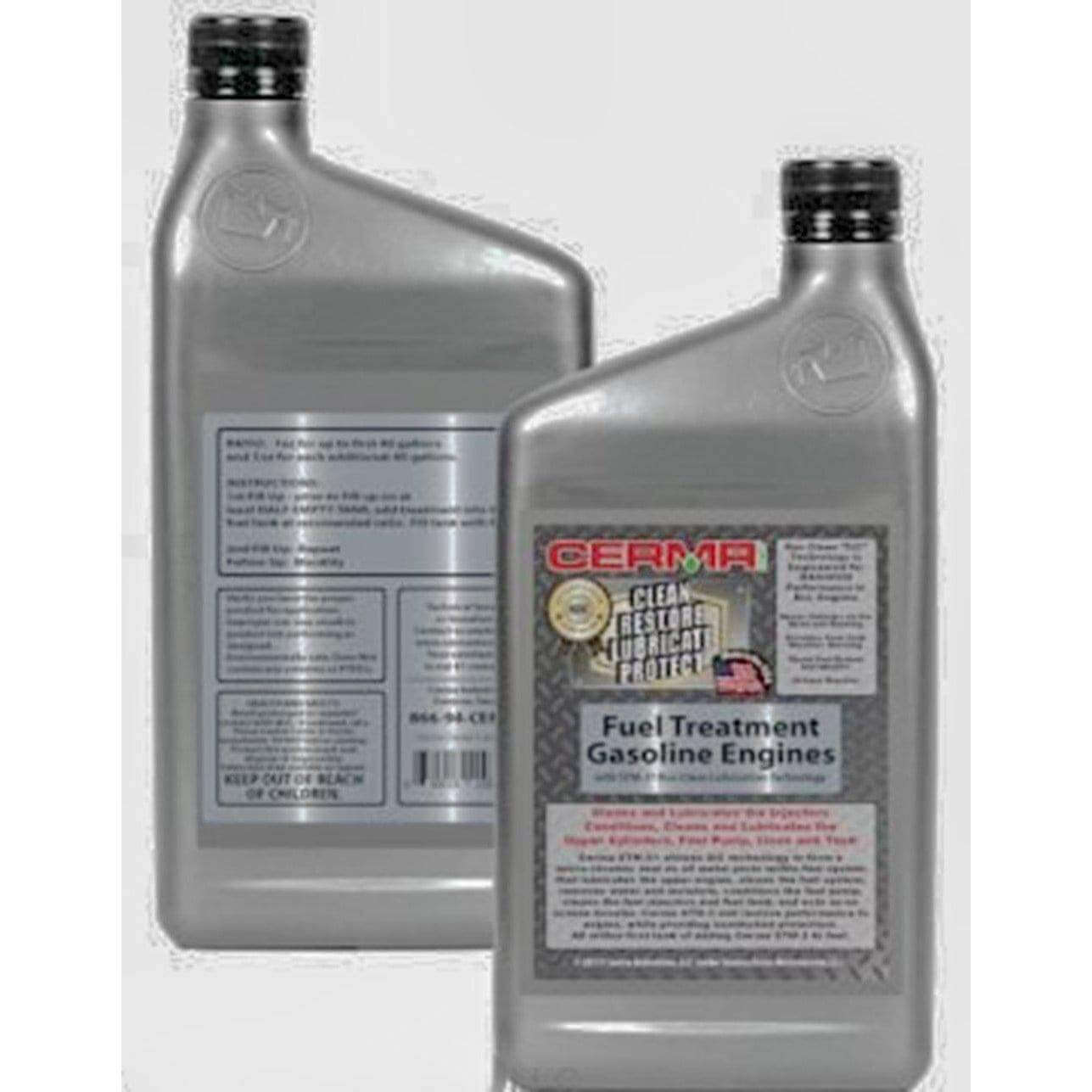
| 1 Quart (32 oz) | $126.56 | ~1,280 gallons | Frequent drivers / multiple vehicles |
| 1 Gallon | $369.77 | ~5,120 gallons | Enthusiasts / small fleet |
| 5 Gallon | $924.42 | ~25,600 gallons | Fleet operations / commercial |
For diesel engines, see Cerma Diesel Fuel Treatment.
🛡️ Cerma vs Traditional Fuel Treatments
| Feature | Cerma STM-3® | Sea Foam / Lucas / Techron |
|---|---|---|
| Technology | Nano Silicon Carbide (SiC) | Petroleum solvents / PEA detergent |
| Cleans Injectors | ✅ Yes | ✅ Yes |
| Lubricates Upper Engine | ✅ Yes (ceramic SiC) | ❌ No (Sea Foam/Techron) | ⚠️ Partial (Lucas) |
| Removes Water | ✅ Yes | ❌ No |
| Improves Combustion Quality* | ✅ Yes | ⚠️ Limited |
| Anti-Gelling (Cold Weather) | ✅ Yes | ❌ No |
| Total Functions | 6-in-1 | 1–2 functions |
Read the full comparison: Best Fuel Treatment 2026: Cerma vs Sea Foam, Lucas, Techron & More →
🔬 The Science: Nano Silicon Carbide (SiC)
Silicon Carbide is one of the hardest compounds on earth — Mohs hardness 9.5 (just below diamond) with a melting point of 2,730°C. When suspended in Cerma's fuel treatment at the nanoscale, SiC particles release the lubrication trapped inside fuel molecules and coat the upper engine, fuel pump, injectors, and fuel lines with ceramic protection that conventional solvents cannot provide.
Cerma Fuel Treatment is also a non-Newtonian dilatant fluid — it provides more protection under higher stress. When your engine works harder, the treatment works harder. Learn about non-Newtonian fluids →
🔗 Complete Engine Protection
Cerma Fuel Treatment protects from the fuel side. Pair it with these products for total engine coverage:
- Cerma STM-3 Engine Treatment — one-time ceramic protection from the oil side ($105.60 for all gas engines)
- Cerma Transmission Treatment — one-time ceramic protection for automatic/manual transmissions ($70.40)
- Cerma Synthetic Motor Oil — SiC-enhanced oil with 15,000-mile change intervals
- Cerma Blue Ice A/C Treatment — ceramic protection for your A/C compressor
🔬 Technical & Compatibility FAQs
Yes. Cerma Fuel Treatment is safe for all GDI engines — common in modern Ford EcoBoost, GM LT/LS, Hyundai/Kia Theta, Mazda Skyactiv-G, and most European turbo gasoline engines. GDI engines are prone to intake valve carbon buildup because fuel never touches the intake valves to clean them. While Cerma Fuel Treatment is primarily added to the fuel tank and cleans components the fuel touches directly (injectors, fuel pump, cylinders), the ceramic lubrication extends to cylinder walls and combustion chambers — helping reduce the carbon accumulation cycle that causes rough idle and misfires. For severe existing carbon buildup, a professional intake valve walnut-blast service is still recommended.
Yes. Cerma Fuel Treatment is compatible with all approved gasoline blends including standard unleaded, E10 (10% ethanol), E15 (15% ethanol), and E85 (flex-fuel vehicles). Ethanol blends actually benefit more from Cerma's water-removal function — ethanol is hygroscopic (attracts moisture), which causes phase separation and fuel system corrosion. The ceramic lubrication also compensates for ethanol's lower natural lubricity compared to pure gasoline, protecting fuel pumps in flex-fuel vehicles that run on variable ethanol percentages.
Yes — classic and carbureted vehicles often benefit the most. Older engines were designed for leaded gasoline and higher-lubricity fuel. Today's ethanol-blended unleaded gas is hard on vintage fuel systems, causing corrosion of brass/zinc carburetor components, rubber fuel line degradation, and water contamination in tanks that sit during off-seasons. Cerma Fuel Treatment addresses all of these: removes water, lubricates upper engine (compensating for leaded-fuel heritage), and conditions the fuel system. Safe for all carburetor materials, fuel pump designs, and vintage rubber/seal compounds.
Yes. Cerma Fuel Treatment is completely safe for catalytic converters, oxygen sensors, mass airflow sensors, and all emissions components. The SiC particles interact with fuel system metal surfaces only (injectors, fuel pump, cylinders) — they do not leave residue in exhaust streams and do not coat downstream emissions components. Many fuel additives with heavy solvent packages can foul O2 sensors; Cerma's ceramic-based chemistry avoids this risk.
Cerma Fuel Treatment adds ceramic lubrication and 6-in-1 protection that top-tier gas does not provide. Top-tier gasoline (brands meeting the Top Tier Detergent Gasoline standard) contains higher detergent levels than minimum EPA requirements, which helps keep injectors clean. Cerma goes further — adding SiC ceramic lubrication to the upper engine, water removal, and anti-gelling properties. You can use Cerma with any fuel grade (top-tier or regular), and it's often more cost-effective than paying the top-tier premium over many fill-ups. Using Cerma with regular fuel typically gives better protection than top-tier fuel alone.
Yes. Cerma Fuel Treatment works in all gasoline small engines: lawn mowers (walk-behind and riding), string trimmers, leaf blowers, chainsaws, pressure washers, portable generators, standby generators (gas), snowblowers, and power tools. Small engines especially benefit from Cerma because they often sit for long periods between use — Cerma's water removal and fuel stabilization properties help prevent the gummed-up carburetor issues that plague small engines after off-season storage. For a gallon of gasoline, the dose is approximately a capful.
Yes — Cerma Fuel Treatment is ideal for motorcycles, ATVs, UTVs, snowmobiles, personal watercraft (jet skis), and other 4-stroke gasoline powersports. These vehicles are especially vulnerable to fuel quality issues because they often sit for weeks or months between use. Cerma keeps fuel fresh, prevents water contamination, and provides ceramic lubrication that's especially valuable for high-RPM motorcycle engines and sustained-load UTV/snowmobile engines. For 2-stroke powersports (some older motorcycles, some jet skis, older snowmobiles), call 239-344-9861 for application guidance.
Water removal starts immediately after adding Cerma to a fuel tank — the formula pulls water out of suspension so it can be processed through the fuel/water separator (if equipped) or burned through the engine at safe levels over the next few fill-ups. For moderate water contamination (common after storage or from condensation), one full treatment cycle is typically sufficient. For severe water contamination (standing water in the tank, phase separation from ethanol), the tank should be drained by a mechanic before using Cerma — Cerma supports fuel system health but is not a substitute for proper water removal in an emergency.
Made in the USA by Cerma Treatment (Bijou Inc.), Fort Myers, FL. 30-day return policy. Free shipping on orders over $150. Ships to US & Canada. Questions? Call 239-344-9861 or email info@cermatreatment.com.
*Combustion quality improvement claims are based on Cerma internal testing and customer-reported results. Individual results vary based on engine condition, age, fuel quality, driving habits, and maintenance practices. Claims are representative and not guaranteed for every application.
Share